
Soft sliced bread
One slice (20g)
0.7gcarbsCompare the same amount · per 100g
Supermarket example
Carbohydrate46.4g
The SRSLY swap
Carbohydrate3.6g

Diabetes Friendly
 0.7g carbsper slice of soft bread
Keep your favourite meals, with lower-carb bakery and clear nutrition that makes choosing easier.
Meet your everyday favourites
Keep the bread. Love the swap. Rediscover the meals you look forward to.
 A chilli-lime salmon wrap worth making. →
One slice (20g)
0.7gcarbsCompare the same amount · per 100g
Carbohydrate46.4g
Carbohydrate3.6g
One roll (50g)
2.3gnet carbsCompare the same amount · per 100g
Carbohydrate46.6g
Carbohydrate4.8g
One bagel
3.5gcarbsCompare the same amount · per 100g
Carbohydrate49.3g
Carbohydrate7g
One wrap
6.1gcarbsCompare the same amount · per 100g
Carbohydrate49.7g
Carbohydrate12.1g
Panels compare 100g of each bakery type, without fillings or toppings. Supermarket examples are individual products, not a category average. Carbohydrate figures use the UK nutrition-label declaration. Headline figures above are for the stated SRSLY portion; white roll net carbs differ from declared carbohydrate. Figures checked 29 October 2026; check current packaging.
The bakery, ready for your week


From bakery favourite to proper meal
Crisp toast, big-flavour wraps and rolls made for generous fillings. Your favourites are still on the menu.

Breakfast
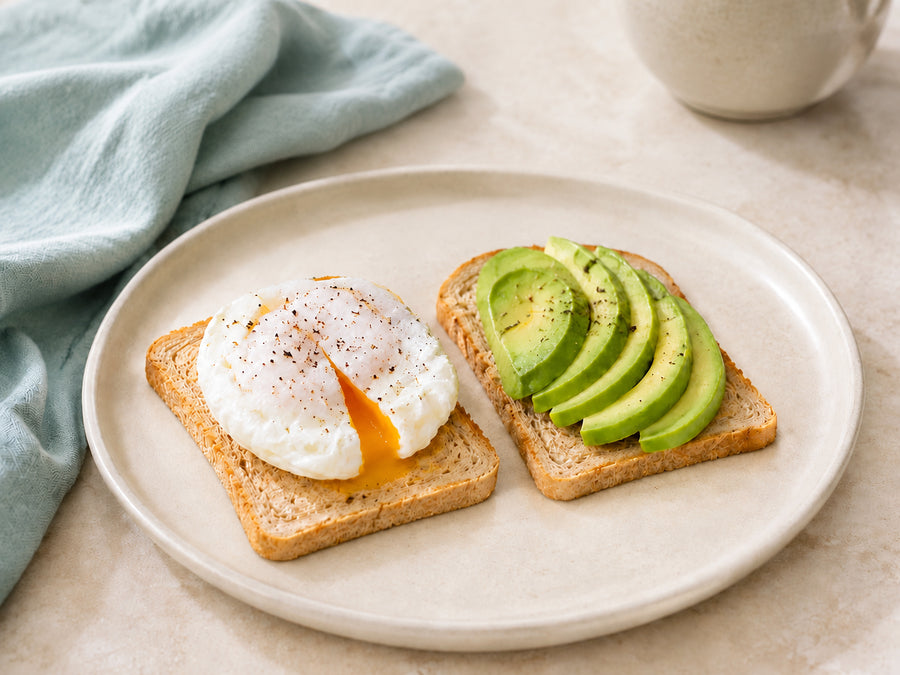
Try our Japanese egg sando: a creamy egg filling between soft SRSLY slices. Follow the recipe for the complete serving and nutrition.
Toppings are additional.
Make the egg sando →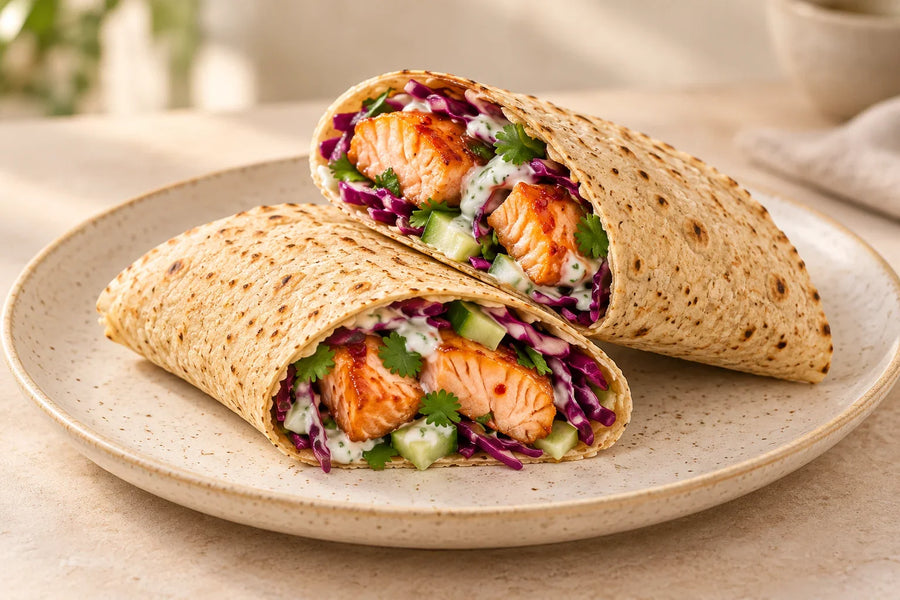
Lunch
Chilli-lime salmon, crunchy cabbage and a SRSLY wrap make a lunch with colour, texture and plenty of flavour. See the recipe for the full meal estimate.
Fillings, sauces and sides are additional.
Make the salmon wrap →
Dinner
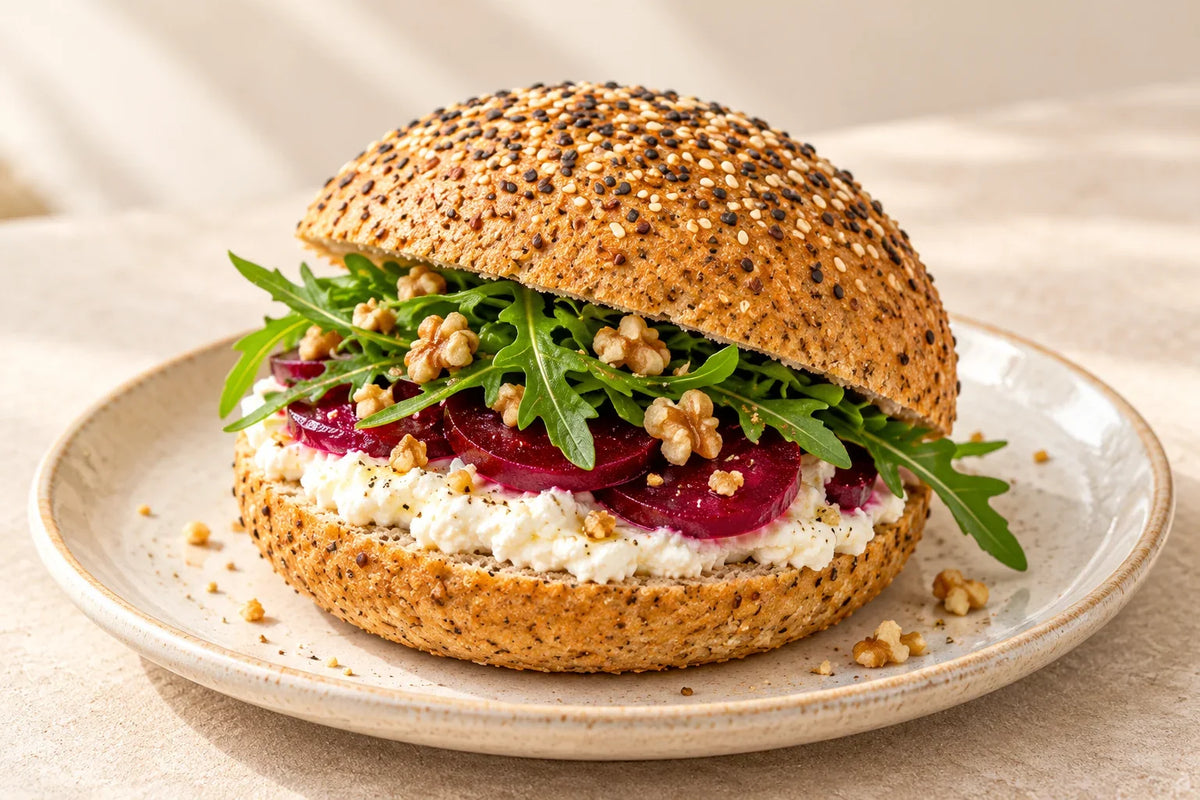
Sticky sausages, crunchy slaw and a soft SRSLY bap bring proper comfort-food flavour. Follow the complete recipe and use its serving figures.
Check the product name: other roll varieties have different nutrition.
Make the sticky sausage baps →Highlighted numbers are for the bakery component only. Fillings, sauces, cooking fats and sides add to the complete meal’s calories and carbohydrates.
More than a number on a pack
Bread is one ingredient. Include the carbohydrate in your fillings, sauces, fruit, sides and drinks, using the portion sizes you actually serve.
Blood glucose responses and treatment plans vary. Use your usual monitoring and the guidance of your diabetes team, rather than expecting any one food to work the same way for everyone.
A few freezer-ready bakery portions make it easier to put together a familiar meal. Follow the pack’s storage instructions, and pair them with fillings you enjoy.
Put your bakery favourites to delicious use with these recipes.
 50g protein
Estimated per serving · serves 2
Make this recipe
Estimated per serving · serves 2
Make this recipe
Estimated per serving · serves 2
Make this recipeGood food. Useful reading.
Read how SRSLY describes carbohydrate figures and how to read the pack.
Take a look →
Explore seeded bread, serving ideas and ways to add variety to everyday meals.
Take a look →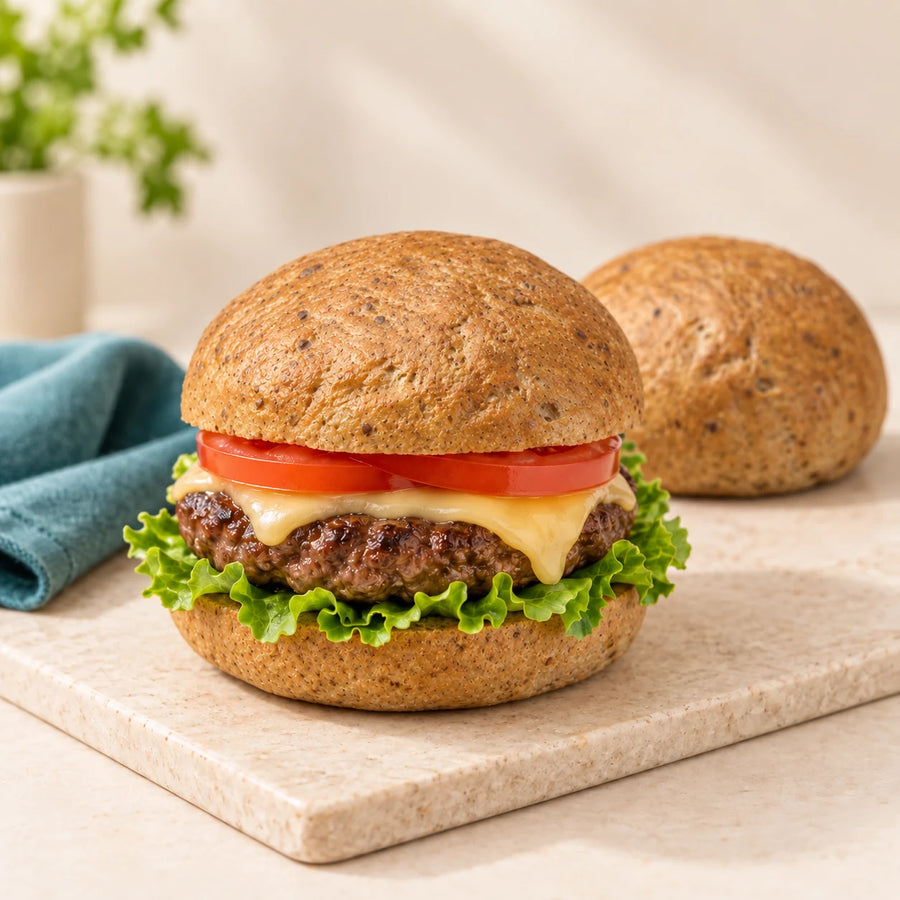
Browse breakfast, lunch and dinner recipes with estimated nutrition per serving.
Take a look →A few things worth knowing
Practical answers to help you choose your bakery favourites and build meals around them.
It is the name of our lower-carb food selection, with clear nutrition to help you choose. It is not a medical certification, a treatment for diabetes or a guarantee of a particular blood glucose response.
“Net carbs” is a term brands can use differently. On a UK nutrition label, fibre is already separate from carbohydrate, so do not subtract fibre again. For SRSLY products without polyols, our net-carb wording refers to that carbohydrate figure for the same portion.
Where polyols are present, check the individual product’s figures and explanation. Read Net Carbs Explained for examples.
Polyols are a group of sweeteners also called sugar alcohols, such as erythritol, xylitol and maltitol. They are included in UK-declared carbohydrate, but their absorption and effect on blood glucose vary. Do not automatically subtract them all.
Larger amounts can cause digestive discomfort or a laxative effect. If you count carbs for insulin, ask your diabetes team how to account for the product you are eating. Our Net Carbs Explained guide explains the label differences.
Portions still matter. Use the nutrition for the amount you eat and account for the complete meal. Your diabetes team can help you decide what suits your treatment and individual needs.
Check the carbohydrate figure as well as sugars: the two are different. Use the method agreed with your diabetes team when planning meals or counting carbohydrates, and read the current product label.
Needs differ with the type of diabetes, medication and personal circumstances. Our product pages give ingredients, allergens and nutrition so you can make an informed choice with your care team.
Speak to your diabetes team before making substantial changes to carbohydrate intake, particularly if you use insulin or medicines that can cause low blood glucose. Keep following your prescribed treatment and monitoring plan.
Yes, the bakery range is freezer friendly. Follow the instructions on each pack and freeze in portions so you can take out the amount you need.
“Diabetes Friendly” describes our lower-carb food selection; individual blood glucose responses vary. Check the carbohydrate amount for your portion and the complete meal, including fillings and sauces. Our foods are not a treatment for diabetes. If you take insulin or medicines that can cause low blood glucose, speak to your diabetes team before making substantial changes to carbohydrate intake.


